Choosing a self-storage unit in Saudi Arabia is no longer a simple matter of renting the cheapest empty room you can find. In 2026, with the Kingdom’s cities growing faster than ever and apartments shrinking to make room for more residents, smart storage has become part of everyday life. Whether you are downsizing in Riyadh, managing seasonal stock in Jeddah, or protecting temperature-sensitive goods in the Eastern Province, the right unit can save you money, stress, and irreplaceable belongings. This guide walks you through everything you need to know before you sign a rental agreement.
The heat is the first thing that shapes any decision here. Summer temperatures regularly climb past 45°C, and that changes which items you can safely keep in a standard room versus a temperature-managed one. Understanding that difference is the single most important step in the process.
Why choosing a self-storage unit carefully matters
Not every storage facility is built the same way. Some offer nothing more than bare concrete boxes, while others provide humidity control, security patrols, and 24-hour access. When you rush the decision, you risk warped furniture, mould, damaged electronics, or paying for space you never actually use.
Take a moment to think about what you are storing and for how long. A student keeping textbooks over a summer break has very different needs from a business archiving legal documents for a decade. Matching the unit to the mission protects both your wallet and your possessions.
- Climate: Will your items react to heat or humidity?
- Access: How often will you visit the unit?
- Security: Are your goods valuable or sentimental?
- Duration: Short-term move or long-term hold?
- Budget: What monthly cost fits comfortably?
Understanding temperature-controlled options
This is where Saudi Arabia differs from cooler climates. Ordinary rooms can trap heat, so anything sensitive needs a managed environment. Facilities generally split their inventory into three temperature bands, and knowing which one you need prevents costly mistakes.
For frozen or refrigerated goods, specialised cold rooms keep contents at strict low temperatures. If you handle perishable products in the Eastern Province, professional Chilled Storage in Dammam gives you the consistency that a home fridge never could. On the other end, moisture-free rooms suit textiles, paper, and electronics that hate humidity. Businesses in the western region often rely on dedicated Dry Storage in Jeddah to keep inventory crisp and mould-free through the humid coastal months.
| Storage Type | Best For | Typical Temperature |
|---|---|---|
| Chilled | Food, pharma, perishables | 0°C to 8°C |
| Dry | Documents, textiles, electronics | Controlled humidity |
| Ambient | Furniture, tools, general goods | Room temperature |
| Standard | Non-sensitive bulk items | Uncontrolled |
How do I pick the right unit size?
Size is the second big lever on your monthly cost. Rent too much and you waste money on empty air. Rent too little and you end up cramming boxes, blocking access, and crushing fragile items. The trick is to measure before you move.
List your major items, note their footprint, and add roughly 25 percent extra for walking space and airflow. Good ventilation matters enormously in a hot climate, because airtight stacking encourages heat build-up and condensation.
- Group belongings into small, medium, and large piles.
- Measure bulky furniture and appliances individually.
- Estimate box count and stack height.
- Add a buffer for an aisle you can actually walk down.
- Round up to the nearest available unit size.
Security and access to consider
A cheap unit is a false bargain if your belongings vanish. Reputable facilities invest in CCTV, individual locks, gated entry, and staff who monitor the site. According to guidance from the U.S. Federal Emergency Management Agency, protecting valuables also means keeping copies of important documents in a separate, secure location, a habit worth borrowing for anything irreplaceable.
Ask about access hours too. Some businesses need round-the-clock entry, while a household clearing out clutter may only visit monthly. Working with quality service providers that treat security as a priority gives you genuine peace of mind rather than an empty promise.
How the Saudi climate shapes your choice
Nowhere is storage more weather-driven than the Gulf. The combination of scorching summers, sudden dust storms, and coastal humidity puts unusual stress on stored goods. A unit that would be perfectly fine in a mild European climate can quietly cook your belongings here within weeks.
Inland cities like Riyadh face intense dry heat, which is hard on wood, leather, and adhesives. Coastal hubs such as Jeddah and Dammam add humidity to the mix, encouraging rust and mould. That regional difference is exactly why matching your unit to the local conditions matters so much.
From first-hand experience helping people store everything from family heirlooms to commercial stock, the biggest regrets always come from underestimating the heat. A slightly higher monthly fee for a managed room is trivial next to the cost of replacing a warped dining set or a corroded electronics batch. Treat climate as a feature you are buying, not an optional extra.
- Riyadh and inland: Guard against dry heat cracking wood and leather.
- Jeddah and coastal: Fight humidity that breeds rust and mould.
- Dust seasons: Choose sealed units to keep fine sand out.
- Long-term holds: Favour climate control for anything valuable.
Common mistakes to avoid
Even experienced renters slip up. The most frequent errors are easy to sidestep once you know them, and avoiding them keeps your goods in the same condition you left them.
- Storing food or liquids in non-chilled rooms during summer.
- Skipping proper packing materials to save a few riyals.
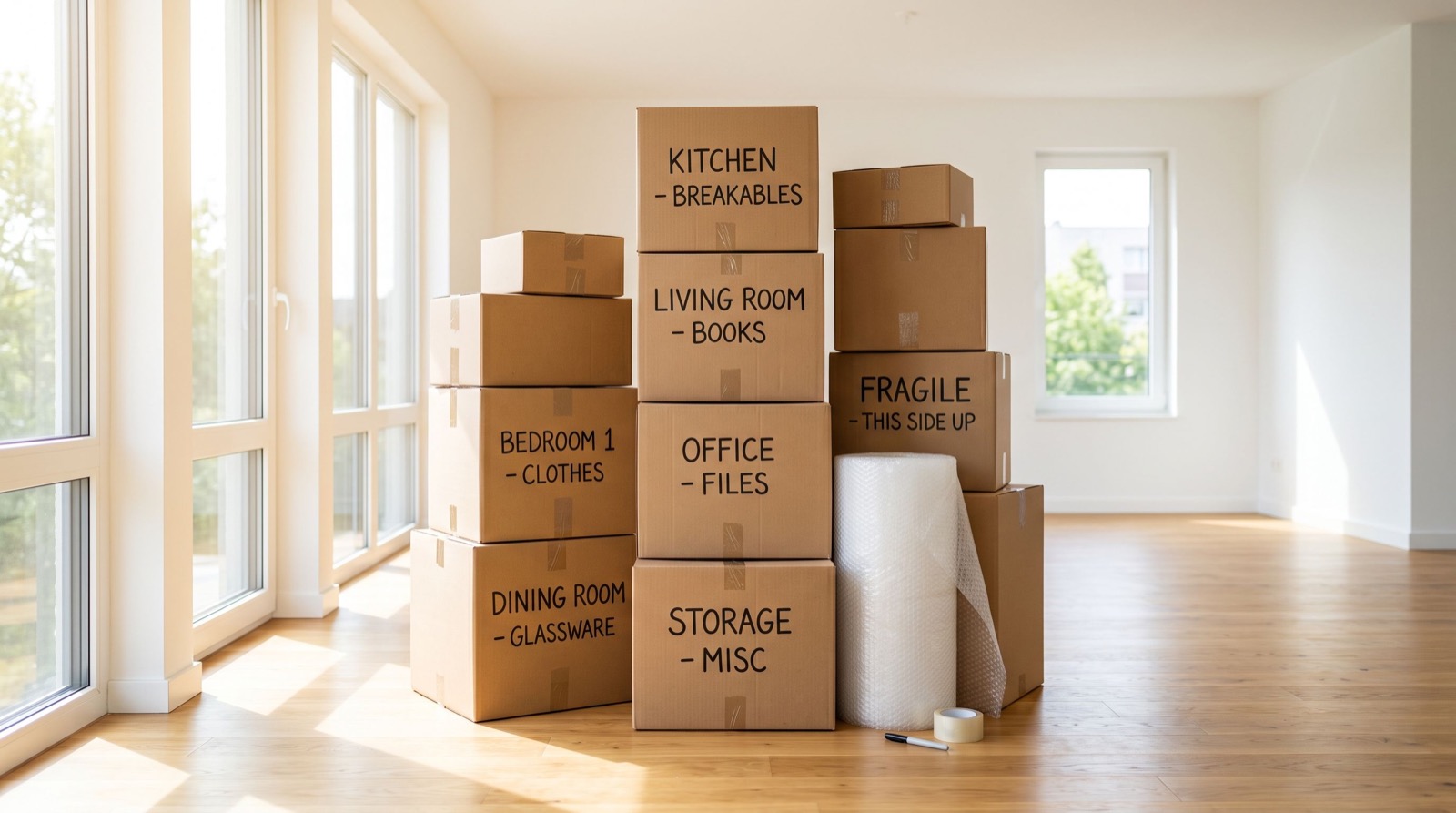
- Forgetting to label boxes clearly for later retrieval.
- Ignoring insurance on high-value contents.
- Blocking the door with heavy items you rarely need.
Frequently Asked Questions
Is climate-controlled storage worth the extra cost in Saudi Arabia?
For anything sensitive to heat or humidity, yes. Electronics, wooden furniture, artwork, documents, and perishables all last far longer in a managed environment. The modest premium is cheaper than replacing ruined items.
How much notice do I need to rent a unit?
Many facilities offer same-day or next-day move-in for standard sizes. Specialised chilled or dry rooms may need a short lead time, so booking a few days ahead is wise during peak moving seasons.
Can I store business inventory in a personal storage unit?
Absolutely. Small businesses frequently use self-storage for stock, records, and seasonal equipment. Just confirm the facility allows commercial use and pick a temperature band that suits your products.
What happens if I need a bigger unit later?
Most providers let you upgrade to a larger unit or add a second one as your needs grow. Ask about transfer policies before you commit, so scaling up stays simple.
Making your final decision
Choosing a self-storage unit comes down to matching four things: what you own, how sensitive it is, how often you need it, and what you can comfortably spend. Nail those, and the rest falls into place. In 2026’s demanding Saudi climate, temperature management and solid security are not luxuries, they are the difference between belongings that survive and belongings that spoil.
Ready to protect what matters? Compare the temperature bands, measure your load, and reserve a unit that fits your life rather than fighting against it. The right choice today saves you from expensive regret tomorrow, so take the first step and secure your space now.