The Hidden Health Risks of Dog Waste and Why a Pooper Scooper Protects Your Family
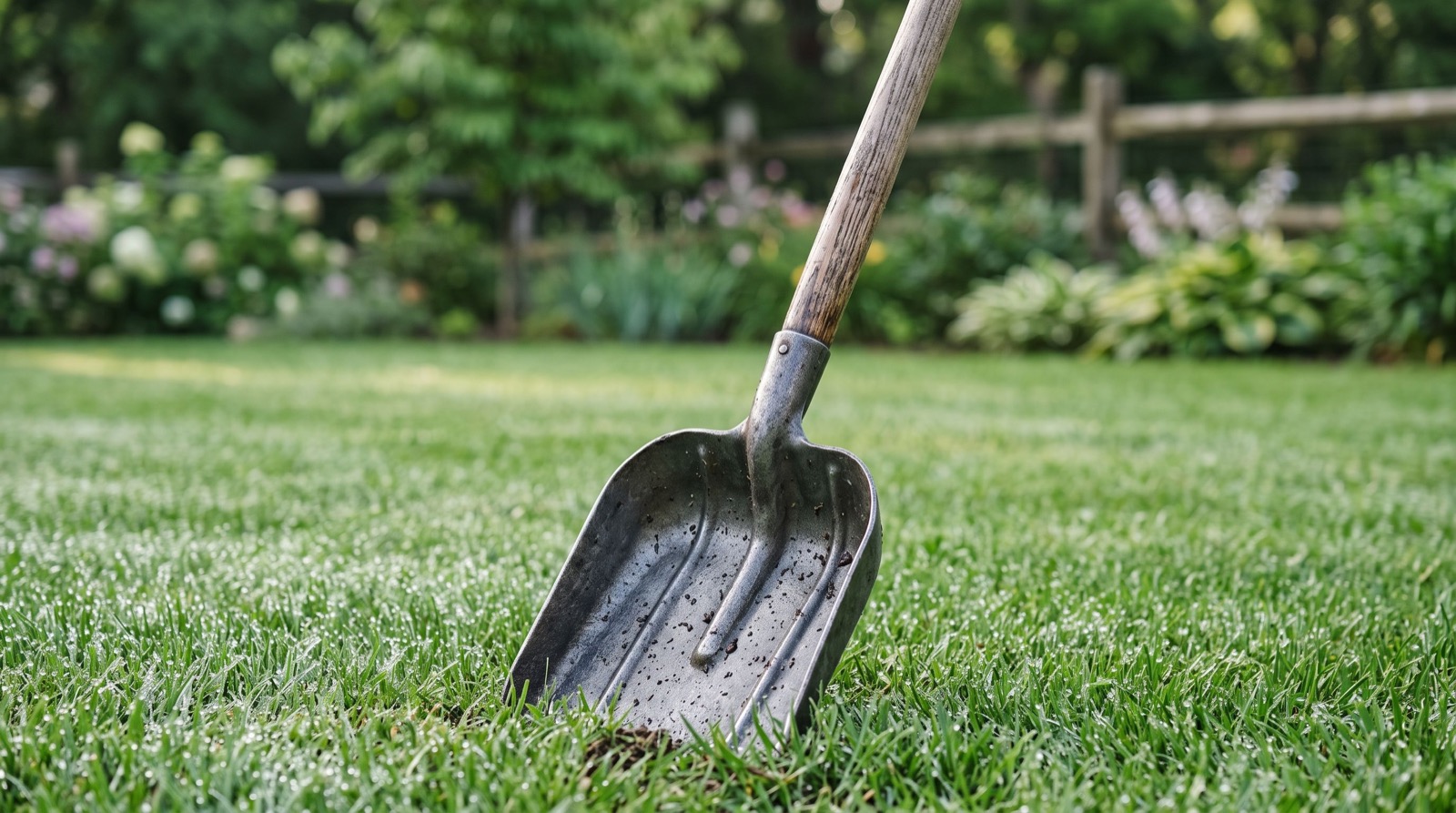
Most people see dog waste as a nuisance, but it is also a genuine health hazard. Pet waste carries parasites and bacteria that can infect children, other pets, and even the soil in your yard. Using a pooper scooper consistently is not just about tidiness; it is a frontline defense for your family’s health in 2026.
This article explains exactly what lurks in uncollected waste, who is most at risk, and how a simple cleanup routine breaks the chain of transmission. Knowledge turns a chore into a clear priority.
What Is Actually in Uncollected Dog Waste?
A single gram of dog waste can contain millions of bacteria, along with parasite eggs that survive in soil for months or years. These are not harmless; several cause real illness in humans and animals.
The U.S. Centers for Disease Control and Prevention documents the parasites and bacteria linked to pet waste and how to prevent exposure. You can review the details at the CDC Healthy Pets resource.
Common hazards in pet waste
- Roundworms: eggs can persist in soil and infect children who play there.
- Hookworms: larvae penetrate skin through bare feet.
- Giardia: a parasite causing digestive illness in pets and people.
- E. coli and Salmonella: bacteria that spread through contaminated ground.
Prompt removal with a Pooper scooper stops these organisms before they settle into your soil and become a lasting problem.
Who Is Most at Risk From Dog Waste?
Children top the list. They play close to the ground, put hands in their mouths, and rarely wash up on their own. A yard with uncollected waste becomes a real exposure zone for toddlers.
Pregnant individuals, older adults, and people with weakened immune systems also face higher risk. So do other dogs, who can reinfect themselves and their housemates by sniffing contaminated ground.
How waste spreads beyond your yard
Rain washes waste and its pathogens into storm drains, streams, and groundwater. That turns a private yard problem into a neighborhood and watershed issue. Cleanup keeps contamination contained at the source.
Building a Health-First Cleanup Routine
A consistent routine breaks the disease cycle. The goal is to remove waste before parasite eggs mature into their infectious stage, which can happen in days.
- Scoop waste daily, ideally within 24 hours.
- Bag it in strong, sealed bags to prevent leaks.
- Disinfect the scooper jaw after each use.
- Wash your hands thoroughly when finished.
Seal everything in Heavy duty trash bags so pathogens stay contained from your yard all the way to disposal. A torn bag defeats the whole purpose of careful cleanup.
Comparing Waste Management Methods by Safety
Not every disposal method is equally safe. The table below rates common approaches on hygiene and practicality.
| Method | Safety Level | Best For | Notes |
|---|---|---|---|
| Scoop, bag, and bin | High | Most households | Simple and reliable |
| In-ground digester | Medium | Large yards | Keep away from gardens |
| Professional service | High | Busy or large properties | Consistent and thorough |
| Leaving it to decompose | Very low | Never recommended | Spreads disease and pests |
The scoop-bag-bin method wins for most families. It is safe, cheap, and leaves no lingering contamination.
Why composting dog waste is risky
Home compost piles rarely reach the high temperatures needed to kill parasite eggs. Never use dog waste compost on vegetable gardens, since it can transfer pathogens to food. When in doubt, bag and bin it.
When to Bring in Professional Help
For large yards, multiple dogs, or a hectic schedule, keeping up daily is hard. Falling behind lets pathogens accumulate, which is exactly what you want to avoid.
Hiring trusted professionals for regular removal ensures the health benefits never lapse. Consistency is what protects your family, and a scheduled service guarantees it.
Simple Hygiene Habits That Reinforce Cleanup
A pooper scooper does the heavy lifting, but a few personal hygiene habits close the loop on disease prevention. Pathogens spread through contact, so protecting your hands and tools stops the chain even after the waste is bagged. These habits take seconds and add real protection.
Handwashing is the most important step and the most overlooked. Even when you never touch the waste directly, handles and surfaces pick up bacteria, so a thorough wash after cleanup is non-negotiable.
Habits that protect your household
- Wash hands: use soap and warm water for at least 20 seconds after cleanup.
- Disinfect tools: wipe the scooper jaw with a diluted disinfectant weekly.
- Deworm on schedule: follow your vet’s parasite prevention plan.
- Keep play areas separate: steer kids away from any spot dogs use.
Regular veterinary care ties the whole system together. A dog on a consistent deworming schedule sheds far fewer parasite eggs, which means less risk in the yard even between cleanups. Prevention at the source multiplies the benefit of every scoop.
Teach children the rules early too. Simple lessons about not touching waste, washing up after outdoor play, and keeping shoes off indoors dramatically cut the odds of infection. When the whole household shares these habits, your daily cleanup routine becomes part of a genuine, layered defense for everyone’s health.
Frequently Asked Questions
Can dog waste really make people sick?
Yes. Dog waste can carry roundworms, hookworms, Giardia, and bacteria like E. coli. These can infect humans, especially children, through contact with contaminated soil.
How quickly should I clean up dog waste?
Aim to remove it within 24 hours. Many parasite eggs need days to become infectious, so daily cleanup breaks the transmission cycle before pathogens mature.
Is it safe to compost dog waste?
Not for edible gardens. Home compost rarely gets hot enough to kill parasite eggs, so dog waste compost should never touch vegetables. Bagging and binning is safer.
Does picking up waste protect other dogs too?
Yes. Dogs can reinfect themselves and others by sniffing contaminated ground. Prompt cleanup with a scooper protects every pet that uses the yard, not just people.
Conclusion: A Simple Habit With Big Health Payoffs
Consistent pooper scooper use is one of the easiest ways to protect your family, your pets, and your community from real disease risks. Scoop daily, seal waste in strong bags, and disinfect your tools to break the chain of transmission in 2026. Ready to make health-first cleanup your routine? Get the right gear today and keep your yard genuinely safe.